Seattle Solo Vacation 2017
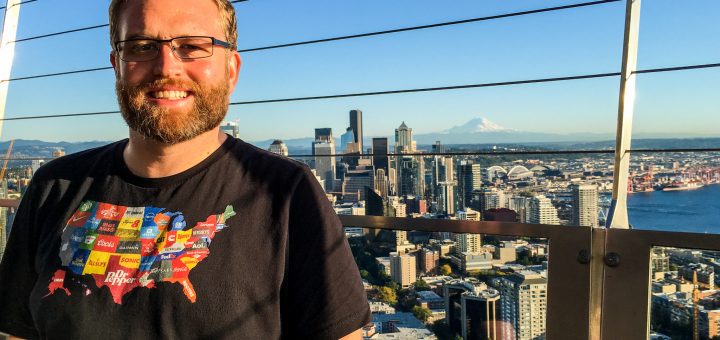
This fall, I took a week-long solo vacation to Seattle, mostly to try the many coffee shops there and just explore the area. After taking over 2,000 photos, I’ve culled it down to 140...
This fall, I took a week-long solo vacation to Seattle, mostly to try the many coffee shops there and just explore the area. After taking over 2,000 photos, I’ve culled it down to 140...
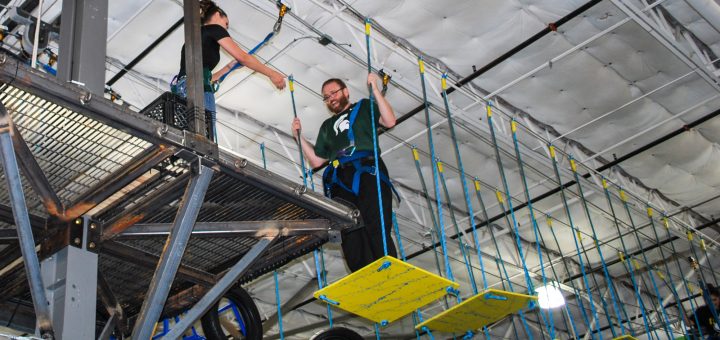
Recently, my work had a “Staff Appreciation Day” with team-building exercises. Our entire staff went to a place that specializes in corporate team-building events. We started the morning off with some simple ice breakers,...
Sometimes you look back on your childhood and realize how much you were shaped by a certain experience. Something long forgotten memory comes to the forefront of your mind. An experience that seemed relatively...
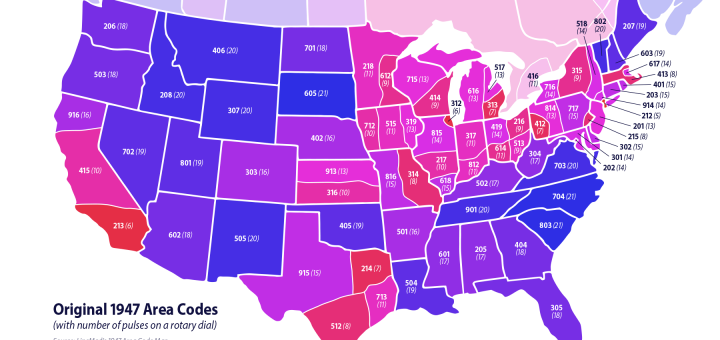
Area codes in the US seem pretty random. ZIP codes are organized somewhat by region, but area codes just seem to be made up of three arbitrary numbers. This is true nowadays, but there...
Notifications are important. Without such alerts, we wouldn’t know when one of our friends or family members tries to contact us. We would miss out on important information. But in this age of information,...
The Amoco logo always brings back waves of nostalgia. As a kid in St. Louis (and later Lansing, Michigan), Amocos were far and away the most common gas stations you saw. Though half the...
I’ve always been good at spelling. I usually got all A’s in elementary school. But my orthographic skills never really translated over to spelling bees. Despite my nerdiness, I never really excelled at these...
Is it possible to find meaning in life when you don’t believe in God? Many people believe they were put on this earth for a purpose, whether that’s being a parent, worker, athlete, artist,...
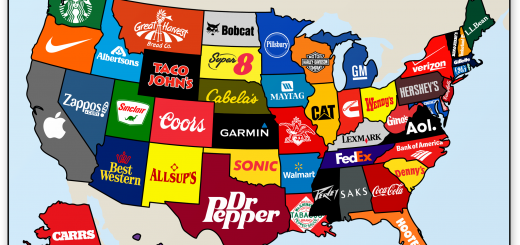
Businesses come and go like anything else. Like living things, they adapt or die. I wrote about this a couple of years ago when I wondered why Sears wasn’t more like Amazon. Starting in...
I started seeing a therapist for depression recently. (I’m loath to admit such a thing publicly, but I think it’s important that we tackle the stigma against mental illness.) Last week, I mentioned that...